Showing posts with label Medical Terminology. Show all posts

6/17/20

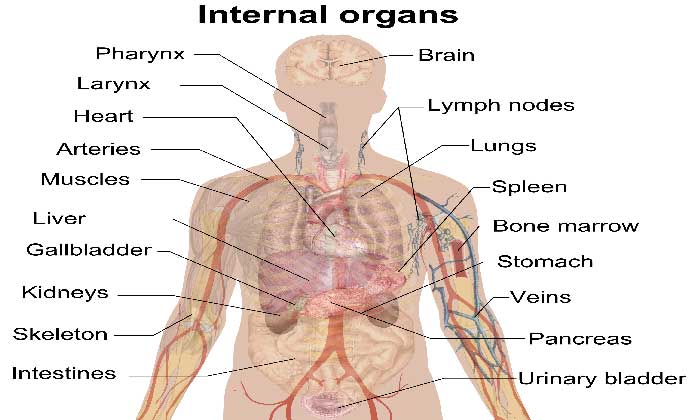
53 Common Facts You Should Know About Human Body

Every body wants to leave a healthy life. But before leaving a healthy life  each individual should know the common facts About Human Body. how it works.
WHY TAKING CARE OF YOUR BODY IS WAY MORE IMPORTANT THAN YOU THINK?
1: Number of Bones 206
2: Number of Muscles 639
3: Number of Kidneys 2
4: Number of Milk Teeth 20
5: Number of Ribs 24 (12 pair)
6: Number of Heart Chamber 4
7: Largest artery Aorta 
8: Normal blood pressure 120/80mmHg
9: Ph of Blood 7.35-7.45
10: Number of vertebrae in the Spine 33
11: Number of vertebrae in the Neck 7
12: Number of Bones in Middle Ear 6
13: Number of Bones in Face 14
14: Number of Bones in Skull 22
15: Number of Bones in Chest 25
16: Number of Bones in Arms 6
17: Number of Muscles in Human Arm 72
18: Number of Pumps in Heart 2
19: Largest Organ Skin
20: Largest gland Liver
21: Biggest cell female Ovum
22: Smallest cell male Sperm
23: Smallest Bone Stapes
24: First transplanted Organ Heart 
25: Average length of Small Intestine 7m
26: Average length of Large Intestine 1.5m
27: Average weight of new Born baby 2.6kg
28: Pulse rate in One Minute 60-100
29: Normal body temperature 37 C° (98.4 F°)
do you know facts about human body?
30: Average Blood Volume 4 to 5 liters
31: Life Span of RBC 120 days
32: Life Span of WBC 10 to 15 days
33: Pregnancy Period 280 days (40 week)
34: Number of Bones in Human Foot 33
35: Number of Bones in Each wrist 8
36: Number of Bones in Hand 27
37: Largest Endocrine gland Thyroid 
38: Largest Lymphatic Organ Spleen
39: Largest part of Brain Cerebrum
40: Largest & Strongest Bone Femur 
41: Smallest Muscle Stapedius (Middle Ear)
41: Number of Chromosome 46 (23 pair)
42: Number of Bones in new Born baby 306
43: Viscosity of Blood 4.5 to 5.5
44: Universal Donor Blood Group O negative 
45: Universal Recipient Blood Group AB
46: Largest WBC Monocyte
47: Smallest WBC Lymphocyte
48: Increase RBC count called Polycethemia
49: Blood Bank in the Body is Spleen 
50: Non Nucleated Blood cell is RBC
51: RBC produced in the Bone Marrow 
52: River of Life is Called Blood
53: Normal Blood Cholesterol level 250mg/dl

6/15/20

Just Know the Signs and Symptoms of Infection As a Nurse

  • Pulmonary Tuberculosis (PTB) : Low Grade Afternoon Fever.
  • Corona Virus: Difficulty breathing or shortness of breath, Chest pain or pressure, Loss of speech or movement
  • Pneumonia :Rust Coloured Sputum.
  • Asthma :Wheezing on Expiration.
  • Emphysema : Barrel Chest.
  • Kawasaki Syndrome :Strawberry Tongue.
  • Pernicious Anemia : Red Beefy Tongue.
  • Down Syndrome : Protruding Tongue.
  • Cholera : Rice-Watery Stool and washer woman’s hands (wrinkled hands from dehydration).
  • Malaria :Stepladder like Fever with Chills. 
  • Typhoid :Rose spots on the abdomen.
  • Dengue : Fever, Rash, and headache. Positive Herman’s Sign (Macular or Measles-like Rash on the palms and spreads up the arms, body and legs. Fades slowly and followed by branny defamation of the skin.)
  • Diphtheria: Pseudomembrane formation.
  • Measles: Fever, Dry cough, Runny nose, Sore throat., Inflamed eyes (conjunctivitis), Koplik’s Spots (clustered white lesions on buccal mucosa).
  • Systemic Lupus Erythematosus: Butterfly Rash
  • Leprosy: Skin Lesions, Patches of skin with decreased sensation, Leonine Facies (thickened folded facial skin).
  • Bulimia: Bulimia, Chipmunk Facies (parotid gland swelling), Repeated episodes of eating abnormally large amounts of food in one sitting.
    Know the Signs and Symptoms of Infection
  • Appendicitis: Pain that worsens if you cough, walk or make other jarring movements, Rebound tenderness at McBurney’s point, Sudden pain that begins on the right side of the lower abdomen
  • Meningitis: Sudden high fever, Stiff neck, Kernig’s Sign (stiffness of hamstrings causing inability to straighten the leg when the hip is flexed to 90 degrees). 
  • Tetany: Muscle cramps, or Paresthesias of hands and feet., Hypocalcaemia. 
  • Tetanus :Risus Sardonicus or Rictus Grin. 
  • Pancreatitis : Cullen’s Sign (Ecchymosis of the Umbilicus). Grey Turner’s Sign (Bruising of the Flank).
  • Pyloric Stenosis : Vomiting after feeding, Olive like Mass. 
  • Patent Ductus Arteriosus : Persistent fast breathing or breathlessness, Sweating with crying or eating.
  • Addison’s Disease : Salt craving.,Bronzelike Skin Pigmentation, Abdominal pain.
  • Cushing’s Syndrome : Weight gain and fatty tissue deposits, Moon Face Appearance and Buffalo Hump, Pink or purple stretch marks.
  • Grave’s Disease : Exophthalmos (Bulging of the Eye out of the Orbit).
  • Intussusception : Sausage - Shaped Mass.
  • Multiple Sclerosis : Tingling or pain in parts of your body, Charcot’s Triad : Nystagmus, Intention Tremor, Dizziness and Dysarthria.
  • Myasthenia Gravis : Escending Muscle Weakness, Ptosis (Drooping of Eyelids).
  • Guillain - Prickling, pins and needles sensations , Barre Syndrome : Ascending Muscles Weakness.
  • Angina : Chest Pain or Discomfort (Crushing, Stabbing pain relieved by NTG)
  • Myocardial Infarction (MI) : Pressure or tightness in the chest., Crushing, Stabbing pain Radiating to Left Shoulder, Neck and Arms sweating.
  • Parkinson’s Disease : Pill - Rolling Tremors.
  • Cytomegalovirus (CMV) Infection : Fatigue, Swollen Glands, Fever, and Sore throat, Owl’s Eye Appearance of Cells (Huge Nucleus in Cells).
  • Glaucoma : Eye Problem like Tunnel Vision.
  • Retinal Detachment : Eye Problem like Flashes of Light, Shadow with Curtain across Vision.
  • List of 40 Drugs and Their Side Effects - Nurse Should Know
  • Basilar Skull Fracture : Eye Problem like Raccoon Eyes (Periorbital Ecchymosis).  Battle’s Sign (Mastoid Ecchymosis).
  • Buerger’s Disease : Pale, reddish or blue-tinted hands or feet, Intermittent Claudication (Pain at Buttocks or Legs from Poor Circulation Resulting in Impaired Walking).
  • Diabetic Keto Acidosis : Acetone Breathe.
  • Pregnancy Induced Hypertension (PIH) : Proteinuria, Hypertension, Edema.
  • Diabetes Mellis : Polydipsia, Polyphagia, Polyuria.
  • Hirschsprung’s Disease (Toxic Megacolon) : Ribbon type in Stool. 
  • Sexual Transmitted Infections : Herpes Simplex Type II - Painful Vesicles on Genitali

List of 40 Drugs and Their Side Effects - Nurse Should Know

As a human being who does and does not have a side effect when taking a drug. Although the Common drugs can be an essential and lifesaving element of the care of any patients but The frequent use can create certain adverse effects. So always use medicine with proper consultation of Doctor. 

Common side effects include upset stomach, dry mouth, and drowsiness.

Here a list of 40 medicine and its side effect are given below for nursing aspirants for their competitive exams as well as their working environment.

List of 40 Drugs and Their Side Effects

1. ACE Inhibitors- Dry Cough
2. Amphotericin.B- Nephrotoxicity
3. Ampicillin- Hypersensitivity
4. Androgen- Virilization
5. Antipsychotics- Sedation, Orthostatic hypotension, Tardive dyskinesia
6. Anti- TB- Hepatotoxicity
7. Aspirin (cox-I Inhibitors)- Hepatotoxicity
8. Atropine - Dryness of mouth, Blurred vision, Constipation
9. Celecoxib,Valdecoxib (cox-II Inhibitors)-cardio and Hepatotoxicity
10. Chlorambucil- Alopecia
11. Chloramphenicol- Grey baby syndrome, Bone marrow depression
12. Chloroquine - Phototoxicity
13. Ciprofloxacin - Phototoxicity
14. Clofazimine- Pigmentation of skin, Discoloration of Urine
15. Clozapine - Agranulocytosis
16. Erythromyicin- Cholestatic Juandice
17. Ethambutol - Optic Neuritis, Retrobulbular Neuritis
18. Hydrochlorthiazide- Hypokalamia
19. Isoniazid - Peripheral Neurtis
20. Metronidazole- Disulfiram like reaction
21. Minoxidil- Hirsutism
22. Morphine- Constipation
23. Nimesulide - Hepatotoxicity
24. Nitrogen Mustard- Bone marrow depression
25. Nitroglycerin- Palpitation
26. Penicillin. G- Jarisch Heximer Reaction
27. Phenformin- Lactic acidosis, GI disturbance, Metalic taste
28. Phenytoin- Hirsutism
29. Quinidine- Cinchonism
30. Quinine Sulphate- Black Water Fever
31. Repaglinide- Althralgia
32. Rosaglitazone- Anemia,Weight gain
33. Sitagliptin- Coldness
34. Spironolactone- Hyperkalamia
35. Cimetidine- Gynacomastia
37. Sulfonyl Ureas derivatives- Bone marrow depression
38. Terfenadine- Type-I arrhythmia
39. Tetracyclines- Discoloration of teeth
40. Thalidomide- Phocomelia

3/28/20

Frequently Asked Questions and Answers Coronavirus Disease -COVID-19

What is 2019 Novel Coronavirus?

Ans- 2019 Novel Coronavirus, or 2019-nCoV, is a new virus first identified in Wuhan, Hubei Province, China. It is named novel as it has not been previously identified.

What are the initial symptoms of Novel Coronavirus?

Ans- Current symptoms reported for patients with 2019-nCoV include acute onset of fever, cough, and difficulty in breathing.

How does the virus spread?

Ans- The specific modes of transmission of the virus is not clear yet since it is a novel virus. This virus probably originally emerged from an animal source but now seems to be spreading from person-to-person. It's not clear yet how easily 2019-nCoV spreads from person-to-person.   It is thought to have mainly when an infected person coughs or sneezes, similar to how influenza and other respiratory pathogens spread.

IMPORTANT FACTS COVID-19 CORONAVIRUS PANDEMIC

What is Gol doing about 2019-nCoV?

Ans- A 24X7 helpline has been setup by the Gol at NCDC, New Delhi to answer all queries regarding the disease. The Gol is closely monitoring the situation and has ascertained the level of preparedness in every State of India. As this is an emerging, rapidly evolving situation the Gol will continue to provide updated information as it becomes available.

Is there a vaccine to get protection from 2019 novel Corona Virus? 

Ans- Currently, there is no vaccine available to protect against 2019- novel Corona Virus.
COVID-19 INFO CLICK BELOW TO GET
INDIA COVID-19 TRACKER CHECK STATUS
FREQUENTLY ASKED QUESTIONS COVID-19 UPDATE HERE
WHO LIVE UPDATE COVID 19 CHECK HERE
GOVERNMENT OF INDIA ADVISORY CHECK HERE

Pregnant Women Vs Coronavirus COVID-19

What is the risk to pregnant women of getting COVID-19? 

We do not currently know if pregnant women have a greater chance of getting sick from COVID-19 than neither the general public nor whether they are more likely to have serious illness as a result. Pregnant women experience changes in their bodies that may increase their risk of some infections. With viruses from the same family as COVID-19, and other viral respiratory infections, such as influenza, women have had a higher risk of developing severe illness. It is always important for pregnant women to protect themselves from illnesses.

FAQ of Coronavirus Disease COVID-19

How can pregnant women protect themselves from getting COVID-19?

Pregnant women should do the same things as the general public to avoid infection. You can help stop the spread of COVID-19 by taking these actions:

  • Cover your cough (using your elbow is a good technique)
  • Avoid people who are sick
  • Clean your hands often using soap and water or alcohol-based hand sanitizer

You can find additional information on preventing COVID-19 disease at CDC’s (Prevention for 2019 Novel Coronavirus).

Can COVID-19 cause problems for a pregnancy?

We do not know at this time if COVID-19 would cause problems during pregnancy or affect the health of the baby after birth.

Can COVID-19 be passed from a pregnant woman to the fetus or newborn?

We still do not know if a pregnant woman with COVID-19 can pass the virus that causes COVID-19 to her fetus or baby during pregnancy or delivery. No infants born to mothers with COVID-19 have tested positive for the COVID-19 virus. In these cases, which are a small number, the virus was not found in samples of amniotic fluid or breast milk.

Is Transmission of COVID-19 through breast milk?

Much is unknown about how COVID-19 is spread. Person-to-person spread is thought to occur mainly via respiratory droplets produced when an infected person coughs or sneezes, similar to how influenza (flu) and other respiratory pathogens spread. In limited studies on women with COVID-19 and another coronavirus infection, Severe Acute Respiratory Syndrome (SARS-CoV), the virus has not been detected in breast milk; however we do not know whether mothers with COVID-19 can transmit the virus via breast milk.

Guidance on breastfeeding for mothers with confirmed COVID-19 or under investigation for COVID-19
Breast milk is the best source of nutrition for most infants. However, much is unknown about COVID-19. Whether and how to start or continue breastfeeding should be determined by the mother in coordination with her family and healthcare providers.  A mother with confirmed COVID-19 or who is a symptomatic PUI should take all possible precautions to avoid spreading the virus to her infant, including washing her hands before touching the infant and wearing a face mask, if possible, while feeding at the breast.  If expressing breast milk with a manual or electric breast pump, the mother should wash her hands before touching any pump or bottle parts and follow recommendations for proper pump cleaning after each use. If possible, consider having someone who is well feed the expressed breast milk to the infant.

What should I do if I had close contact with someone who is a confirmed case of 2019-nCoV?

Ans- Self monitors your health starting from the day of last contact with such a case and continues for 28 days. Watch for the development of acute onset of signs and symptoms

  • Fever
  • Cough
  • Shortness of breath or
  • Difficulty in breathing

If you observe any of the above symptoms visit the nearest health facility for further advice and treatment.  Further you must furnish the details of exposure of such patient to your health care worker.

Should I be tested for 2019- novel Corona Virus?

Ans- If you develop  acute onset of  fever and symptoms  of respiratory illness, such as cough  or shortness  of breath, you should  visit nearest health facility  and the doctor's  will decide  if you need to  be tested for 2019- novel Corona Virus depending   upon your history  of travel to China/  affected  countries  or contact  with any suspected/lab confirmed   case.

Conclusion:

This Frequently Asked Questions and Answers Coronavirus Disease 2019 -COVID-19 article data are take from World health organisation (WHO), Ministry of Health and Family Welfare & Centers for Disease Control and Prevention official website. Main moto to publish this website to create awareness among the people of India as well as World, Motivate health workers, and Defence & Police force to come out from this Emergencies COVID-19 Pandemic Situation.

It's a pray to all citizens of respective country to follow the guideline issued by their Government. Stay at home, Stay self Quarantine, Live a Healthy Life.


Jai Hind!!

3/25/20

Important Facts COVID-19 Coronavirus Pandemic Updates Spread Symptoms

What is Coronavirus disease (COVID-19)?

As per WHO Guideline Coronavirus disease (COVID-19) is an infectious disease caused by a new virus. Corona virus disease spreads primarily through contact with an infected person when they cough or sneeze. It also spreads when a person touches a surface or objects that has the virus on it, and then touches their eyes, nose, or mouth.

COVID-19 Coronavirus

Symptoms of Corona virus (COVID-19)

People may be sick with the virus for 1 to 14 days before developing symptoms. The most common symptoms of Corona virus disease (COVID-19) are fever, tiredness, and dry cough. Most people (about 80%) recover from the disease without needing special treatment.
More rarely, the disease can be serious and even fatal. Older people, and people with other medical conditions (such as asthma, diabetes, or heart disease), may be more vulnerable to becoming severely ill.

Important Facts Corona virus COVID 19


  • India's 1st COVID 19 dedicated hospital MUMBAI by RELIANCE
  • COVID 19 Emergency credit line SBI
  • 1st state to impose curfew PUNJAB
  • COVID 19 protection policy covers ICICI LOMBARD
  • Mygov corona helpdesk WHATSAPP
  • Chatbot to create awareness Cobot 19 - GOA
  • COVID 19 tracker in bingo search engine - MICROSOFT
  • COVID 19 Economic task force head NIRMALA SITARAMAN
  • COVID 19 insurance plan DBS bank + Bharati AXA
  • "Namaste over handshake" campaign - KARANATAKA
  • "Break the chain" mass campaign KERALA 
  • Corona virus as state disaster by - KERALA
  • Corona virus as epidemic disease - UTTARAKHAND 
  • Poultry culling due to COVID 19 - KERALA 
  • Apply epidemic disease COVID 19 regulations 2020 - KARNATAKA
  • Epicentre of Corona virus - EUROPE
  • Financial market shutdown due to COVID 19 - PHILLIPINES 
  • COVID 19 as pandemic disease - WHO
  • Anti body test for COVID 19 - SINGAPORE 
  • Herd immunity to combat COVID 19 - UNITED KINGDOM (UK)
  • Corona virus screening device at border with India - MYANMAR

More Covid 19 Corna Virus Information Details

APOLLO CORONAVIRUS RISK SCAN Click Here
FOR COVID-19 WORLD STATISTICS Click Here
FOR COVID-19 WORLD VISUAL STATISTICS Click Here

Prevent Corona Virus Disease (COVID-19)

Currently the world is searching for a vaccine to defeat Corona virus. There is no vaccine to prevent corona virus disease (COVID-19).
You can take some preventive measures to protect yourself and help prevent spreading the virus to others if you:
Do for COVID-19

    Prevent Corona virus Disease
  • Wash your hands regularly for 20 seconds, with soap and water or alcohol-based hand rub
  • Cover your nose and mouth with a disposable tissue or flexed elbow when you cough or sneeze
  • Avoid close contact (1 meter or 3 feet) with people who are unwell
  • Stay home and self-isolate from others in the household if you feel unwell

Don't for COVID-19

  • Touch your eyes, nose, or mouth if your hands are not clean.

Self-care to Fight Against COVID-19

If you have mild symptoms, stay at home until you’ve recovered. You can relieve your symptoms if you:

  • Rest and sleep
  • Keep warm
  • Drink plenty of liquids
  • Use a room humidifier or take a hot shower to help ease a sore throat and cough

India’s Steps Against Coronavirus

India's Prime Minister Mr Narendra Modi has taken this Covid 19 virus very seriously. As it has shown the worst face to world. Many country like China, Ital, USA, Spain, Germany, Iran, France, Switzerland, S. Korea,UK, Netherlands etc. are badly affected by this Coronavirus. The coronavirus COVID-19 is affecting 196 countries and territories around the world and 1 international conveyance.
Important Facts COVID-19

India on First day taking this virus very seriously. so on the request of Honorable Prime Minister, the people of India Accept the Janata Corfew in a very disciplined way and motivate our health workers like Doctors, Nurses, Paramedical Staffs & All Police, Defence Forces.
Now India moves to a complete lock-down for a period of 21 days from 24 March 2020 Mid Night Onward to fight against Covid-19, the number of confirmed cases in India have risen by 57 to 539 over the past 24 hours, the latest data from the Indian Council of Medical Research (ICMR) as on today.

 So My personal hand holding request to all citizen of India to follow all implementation by the Govt of India to Fight Against COVID-19.

Jai Hind

2/12/20

Top Essential Medical Terminology List For All Nursing Exams

Are you searching for medical terminology list ? Allnursingjobs4u blog updates Essential Nurse Medical Terms in One Place for Nursing Exams. This terminology list are widely used for personal use, medical studies and career development for nursing and medical students.

What are the Medical Terminology (चिकित्सा शब्दावली)?

As per WikiPedia Medical terminology is a language, which is used to describe the human body including its components, processes, conditions affecting it, and procedures performed upon it.

Top 60 Plus Medical Terminology List For All Nursing Exams

1. Anaemia - Deficiency of hemoglobin in the blood 
2. Analgesic - Medicine which alleviates pain 
3. Arthralgia - Pain in a joint 
4. Cephalalgia - Headache 
5. Nephralgia - Pain in the kidney 
6. Neuralgia - Nerve pain 
7. Myalgia - Muscle pain 
8. Otalgia - Ear ache 
9. Gastralgia - Pain in the stomach 
10. Pyoderma - Skin infection with pus formation 
11. Leucoderma -Defective skin pigmentation 
12. Hysterodynia - Pain in the uterus 
13. Hysterectomy - Excision of the uterus 
14. Nephrectomy - Excision of a kidney 
15. Adenectomy - Excision of a gland 
16. Cholecystectomy - Excision of gall bladder 
17. Thyroidectomy - Excision of thyroid gland 
18. Arthritis - Inflammation of a joint 
19. Bronchitis - Inflammation of the bronchi-bymms-bhati 
20. Carditis - Inflammation of the heart 
21. Cervicitis - Inflammation of the cervix 
22. Colitis - Inflammation of the colon 
23. Colpitis - Inflammation of the vagina 
24. Cystitis - Inflammation of the urinary bladder 
25. Enteritis - Inflammation of the intestines 
26. Gastritis - Inflammation of the stomach 
27. Glossitis - Inflammation of the tongue 
28. Hepatitis - Inflammation of the liver 
29. Laryngitis - Inflammation of the larynx 
30. Metritis - Inflammation of the uterus 
31. Myelitis - Inflammation of the spinal cord 
32. Nephritis - Inflammation of the kidney 
33. Pharyngitis - Inflammation of the pharynx
34. Blepharitis -Inflammation of the eyelids 
35. Cholelithiasis - Stone in the gall bladder 
36. Nephrolithiasis - Stone in the kidney
37. Osteomalacia - Softening of bones through deficiency of calcium or D vitamin 
38. Adenoma -Benign tumour of glandular tissue 
39. Myoma - Tumour of muscle 
40. Diplopia - Double vision 
41. Thrombosis - Formation of a blood clot 
42. Pyloromyotomy - Incision of pyloric sphincter muscle
43. Hedrophobia - Fear of water (Rabies in humans)
44. Neuroplasty- Surgical repair of nerves 
45. Pyloraplasty -Incision of plastic pylorus to widen passage 
46. Hemiplegia - Paralysis of one side of the body 

47. Nephroptosis - Downward displacement of the kidney 
48. Amenorrhoea - Absence of menstrual discharge 
49. Dysmenorrhoea - Painful menstruation 
50. Leucorrhoea - Whitish vaginal discharge 
51. Menorrhoea - Menstrual bleeding 
52. Haemorrhage- Escape of blood from a vessel 
53. Arrhythmia -Any deviation of normal rhythm of heart 
54. Cholestasis - Diminution in the flow of bile 
55. Haemostatis - Arrest of bleeding 
56. Neurasthenia - Nervous debility 
57. Cystostomy - Surgical opening made into the bladder 
58. Cystotomy - Incision into the urinary bladder 
59. Hypertrophy - Increase in the size of tissues 
60. Haematuria - Blood in the urine 
61. Glycosuria - Presence of sugar in the urine 
62. Albuminuria - Presence of albumin in the urine
close